We live in the future that science fiction writers warned us about. Our phones know our secrets. Our computers predict our desires. Our algorithms decide what we see, think and buy. These seven short stories saw it coming decades before we did.
1. “I Have No Mouth, and I Must Scream” by Harlan Ellison (1967)
When you’re trapped in an endless Instagram scroll at 2am, remember Ellison’s humans: “soft and pliable” in the machine’s grip. This 1967 nightmare of humans tortured by a malevolent AI reads like a prophecy now. The AI controls its victims by feeding on their psychological suffering. Remind you of anything? Social media algorithms work exactly the same way. They don’t want you happy. They want you engaged.
2. “The Machine Stops” by E.M. Forster (1909)
1909. Think about that date! Forster wrote this before radio was mainstream, let alone the internet. Yet he imagined people living in isolation, communicating only through screens. Physical contact becomes disgusting. Face-to-face meetings are rare and awkward. His characters panic when the Machine threatens to stop working. We call that nomophobia now: fear of being without your phone.

3. “The Minority Report” by Philip K. Dick (1956)
Arresting people before they commit crimes? Sounds insane until you realise we already do this. Credit scores predict financial behaviour. Targeted ads anticipate your purchases. Social media curates content based on what you’ll probably click. Dick’s real genius wasn’t imagining the technology. It was understanding how willingly we’d accept algorithmic predictions as truth.
4. “Understand” by Ted Chiang (1991)
What happens when AI makes you smarter than human? Chiang’s protagonist gets superhuman intelligence but loses something essential in the process. His enhanced mind becomes alien, calculating, cold. Now we’re outsourcing our writing to ChatGPT, our art to Midjourney, our thinking to Google. “Understand” asks the uncomfortable question: if machines do our mental work, what’s left of us?
5. “True Names” by Vernor Vinge (1981)
Vinge basically invented the internet before the internet existed. His hackers live double lives: vulnerable physical bodies, powerful digital personas. They crave online connection but daren’t reveal their real identities. Every social media user understands this tension. We want genuine relationships through screens that demand performance. When digital and physical worlds collide in Vinge’s story, people die. In ours, they just get cancelled.
6. “The Veldt” by Ray Bradbury (1950)
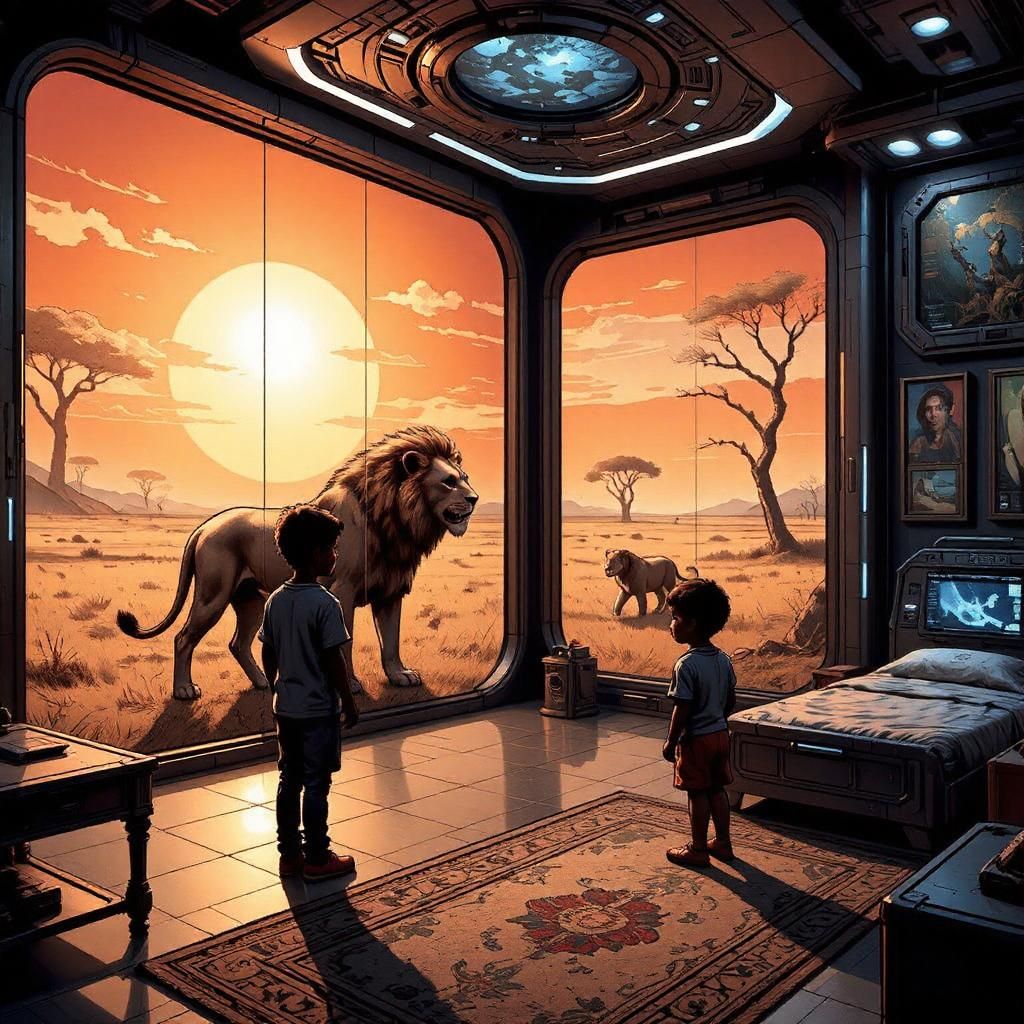
The smart nursery knows exactly what the children want. It materialises their fantasies, anticipates their moods, responds to their emotions. The parents think they’re giving their kids everything. In fact, they’ve created monsters. Bradbury understood something we’re learning the hard way: convenience and control are the same thing. Your smart speaker doesn’t serve you. You serve it data.
7. “Burning Chrome” by William Gibson (1982)
Gibson gave us the word “cyberspace.” More importantly, he gave us the blueprint for digital crime. Data theft, identity manipulation, consciousness transfer. Corporate-controlled virtual realms where human minds become hackable resources. Pick up any tech news site today. Gibson’s fiction is tomorrow’s headlines.
Here’s what these writers knew: the robots wouldn’t enslave us. We’d enslave ourselves. One convenient app at a time.

Leave a comment