Death used to mean silence. Now our phones outlive us, charging beside empty beds like digital ghosts waiting for one final conversation. Last Message asks what happens when grief makes us vulnerable to the very technology we can’t let go of.
When someone we love dies, we cling to their digital traces: old texts, voicemails, photos. But what if that connection works both ways?
Last Message
The first text came three days after the funeral.
I’m okay. Don’t worry about me. Love you always. – Michael
I stared at his phone, still charging on his side of the bed. The police said heart attack—sudden, painless. I’d kept his number active, couldn’t bear to cancel it yet.
The second message arrived that evening.
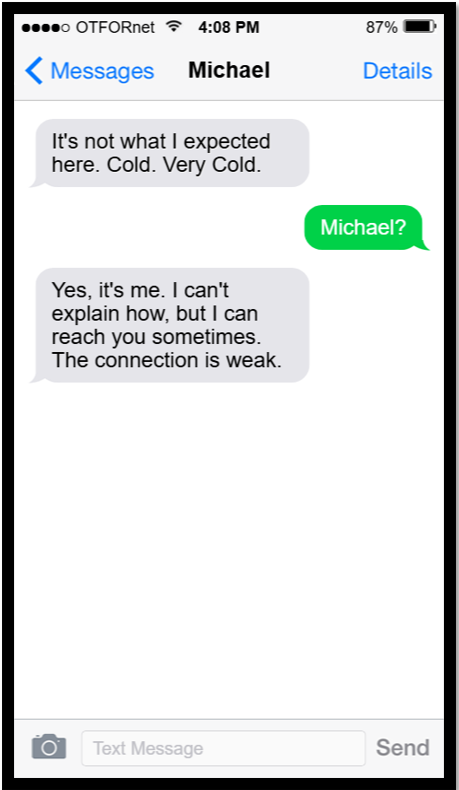
It’s not what I expected here. Cold. Very cold.
My hands trembled as I typed back: Michael?
Yes, it’s me. I can’t explain how, but I can reach you sometimes. The connection is weak.
Over the following days, the messages became more frequent. More desperate.
I’m not alone here. Others are trapped too.
Helen, something’s wrong. I can feel it watching.
Every time I reach you, it gets closer.
Stop answering. Please.
It knows about you now.
DELETE MY NUMBER.
Too late. It’s found you.
The final message came from my own phone.
Hello, Helen.

Leave a comment