A contemporary horror story that explores our increasingly digital afterlives and what might happen when the boundary between online and offline begins to blur.
Still Active examines a fear that’s uniquely modern: in a world where our digital presence persists long after we’re gone, what if that presence became something more than just archived data? What if it became malevolent?
The story unfolds entirely through digital interfaces: notifications, messages and screen interactions. Things we encounter daily. It’s the kind of horror that doesn’t require ancient curses or supernatural entities, just the technology we carry in our pockets and the uncomfortable realisation that our digital selves might outlive us in ways we never intended.
This piece represents my interest in finding horror in the everyday, in taking something as mundane as a social media notification and revealing the potential for dread that lurks within our most familiar digital experiences.
Still Active
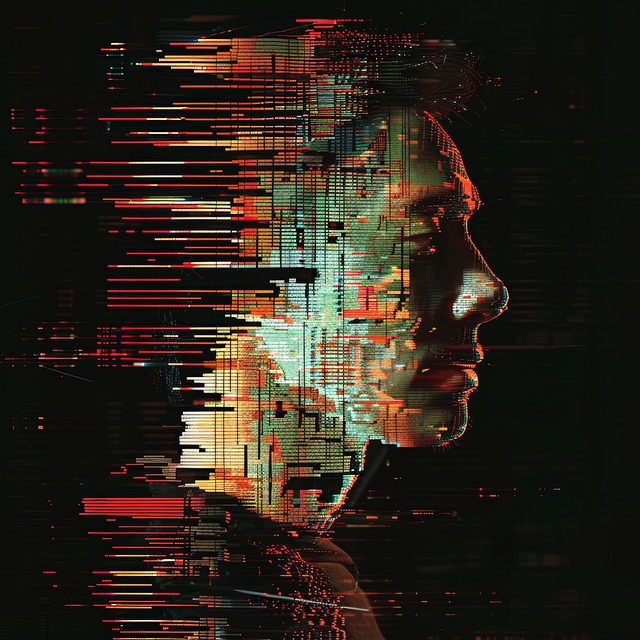
NOTIFICATION: Marcus Evans has tagged you in a photo.
3 mins ago
I stare at my phone, stomach clenching. Marcus died three months ago. The notification hovers against the lock screen wallpaper—that group photo from his funeral.
A glitch. Or a scheduled post finally propagating through Meta’s servers. Has to be.
I tap the notification. The Facebook app loads, blue and white light washing over my face in the dark bedroom. My thumb hovers over his profile icon, still surrounded by that commemorative ring they add to deceased users’ accounts.
The photo appears: Marcus and me at Brayfield Lake. I’m squinting into the camera, arm around his shoulders, but I have no memory of this picture. The metadata says it was taken yesterday.
The caption reads: Finally figured out how to reach you. Miss you. Talk soon?
A comment has already been added beneath it, from Marcus’s account, posted one minute ago: I see you’re online now. I know you can see this.
My phone buzzes with a new notification.
MESSENGER: Marcus Evans has sent you a message request.
I tap it before thinking, my sleep-deprived brain making decisions without consulting my better judgment.
MARCUS: Hey, can we talk?
My fingers hover over the keyboard. It has to be someone who gained access to his account. Some sick joke.
ME: Who is this? This isn’t funny.
I wait. The “seen” notification appears immediately, but no reply comes. I send another message.
ME: I’m reporting this account.
Nothing. I exit Messenger, hands shaking as I navigate to his profile page. Something catches my eye – his profile picture has changed. No longer the hiking photo his parents selected after the funeral. Now it’s an unfamiliar selfie taken in dim lighting. I don’t recognise the room behind him.
I scroll down. New posts. Location tags in places Marcus never visited: “Checked in at Tokyo International Airport” from this morning. “Feeling at home at Café Lune” – a coffee shop on my street.
A notification banner slides down from the top of my screen:
EVENT INVITATION: “Welcome Home” hosted by Marcus Evans
Private event · Tomorrow at 3:17 AM
Attendees: You
I close Facebook and power off my phone. This has gone far enough. I’ll contact support in the morning, report the account again.
My laptop chimes from across the room where I left it charging. An incoming video call. From Marcus.
I walk over slowly. The Messenger interface shows his profile icon pulsing gently, waiting for me to accept. Beneath his name, a status:
Call started: 14 minutes ago
But I haven’t answered. The “ongoing” indicator blinks steadily.
Another notification appears:
Marcus Evans is typing…
It doesn’t stop. The typing indicator remains, minutes passing. 47 minutes according to the timestamp. Still typing.
I grab my laptop and open the account settings. My fingers are trembling as I navigate to Marcus’s profile and hit “Block.”
I block Marcus’s account at 3:14 AM. My finger trembles against the “Block” button, hesitating a moment before pressing down. A small dialog appears:
Marcus Evans will no longer be able to:
- See your posts
- Tag you
- Send you messages
- Add you as a friend
I tap “Block” again to confirm. The screen flashes, then returns to my home page. A breath escapes me—the first deep one I’ve taken in hours.
My laptop chimes. Then my tablet on the nightstand. Then the old phone I keep as a backup. Then my smart TV flickers to life in the corner of the bedroom.
Every screen displays the same notification:
NOTIFICATION: Marcus Evans has tagged you in a photo.
Just now
On every device, the same image appears simultaneously without me clicking anything. It’s a distorted selfie—grainy, dark, taken from above. It shows me, asleep in my bed. From last night. My arm is dangling off the mattress, fingers brushing the floor. The timestamp reads 3:03 AM.
The caption appears letter by letter, as if being typed in real time:
I’ve learned how to visit now. Not just accounts. I found you.
A message bubble pops up on every screen:
MARCUS: Did you really think blocking works on this side?
The screens go black, then all return to normal home screens. Except now my profile pictures on every app have been changed to match Marcus’s.
My phone restarts itself. When it comes back on, all traces of Marcus’s messages are gone. I check my block list: his name isn’t there. Relief washes over me as I sink back against my pillows. Just a nightmare. Just anxiety playing tricks.
Then a notification:
NOTIFICATION: Marcus Evans has accepted your friend request.
Just now
I never sent a friend request.
My phone vibrates with another alert:
NOTIFICATION: Sarah Chen has tagged you in a photo.
Sarah, my cousin. Died of cancer last year.
NOTIFICATION: David Wilson sent you a message request.
My college roommate. Drowned in 2019.
They keep coming, faster now. Every deceased contact in my digital history.
My smart speaker lights up, unprompted.
“Contacting: Home.”
All screens display the same message simultaneously:
LOCATION SHARING: Marcus Evans has shared his location with you.
Current location: 14 Oakwood Drive, Apartment 3B
My address. Inside my home.
All my cameras activate—the laptop webcam, the phone camera, the security camera in the hallway. I see my own face in each feed. But I’m not controlling my expression. I watch in horror as my lips move, forming words I’m not speaking, while my fingers type a message I didn’t compose:
ME: We’re all coming home now.
The Horror of Digital Persistence
What unsettles me most about our digital age isn’t the technology itself, but how seamlessly it integrates into our lives—and how it persists when we don’t. We leave digital traces everywhere: photos, messages, location data, search histories. These fragments of ourselves continue to exist on servers around the world, sometimes surfacing in unexpected ways.
“Still Active” pushes that unsettling reality just one step further. It asks: what if these digital remnants weren’t just passive archives, but something more conscious, more purposeful? What if death wasn’t the end of our online presence, but just the beginning of something far more disturbing?
The story aims to capture that uniquely modern anxiety about our digital selves—the versions of us that exist in algorithms, in cached data, in the digital ecosystems we’ve helped create but don’t fully understand.

Leave a comment